REVIEW · MAUI
Maui: Guided Hike of Haleakala Crater with Lunch
Book on GetYourGuide →Operated by Hike Maui · Bookable on GetYourGuide
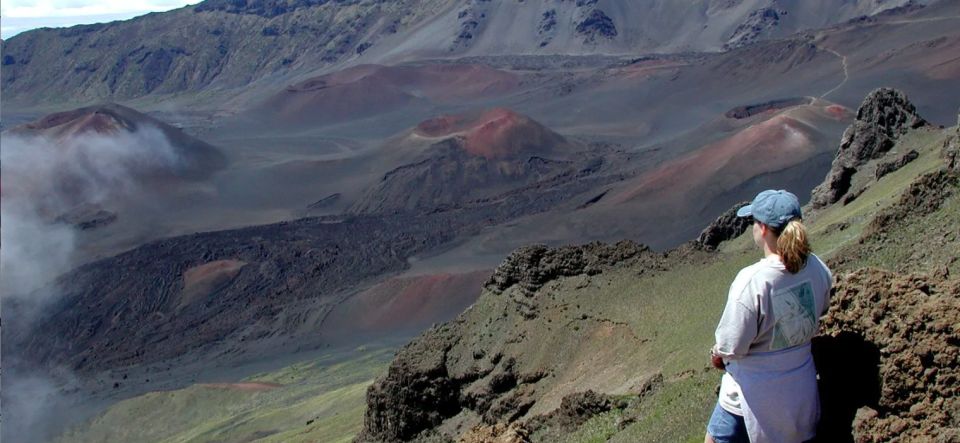
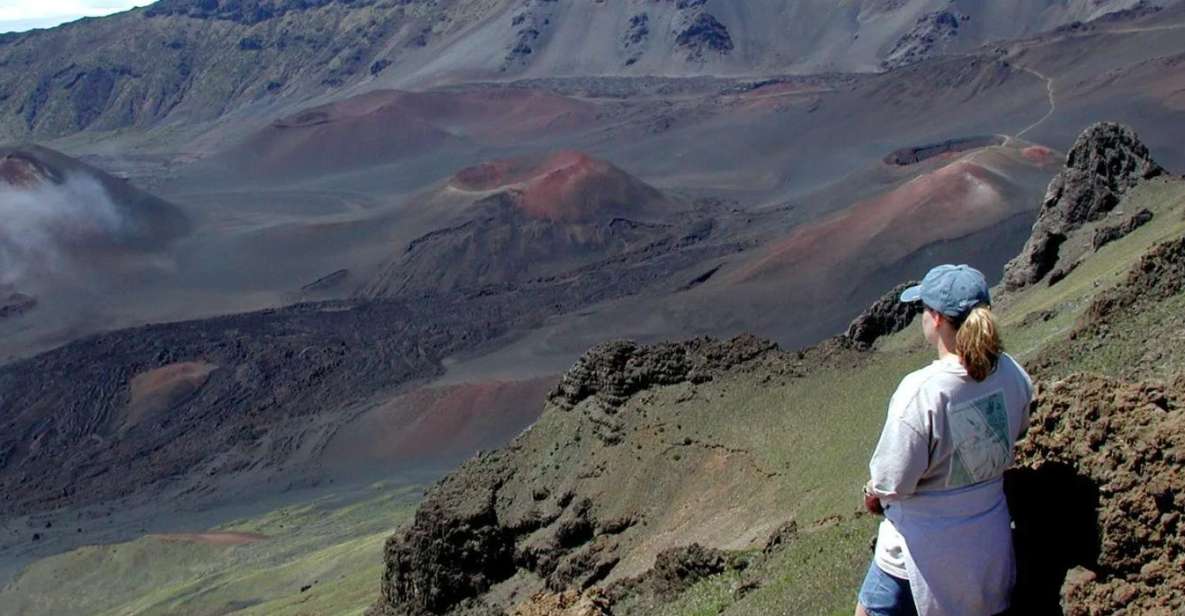
Haleakala feels like walking on another planet. This guided hike brings Maui heritage into the mix while you step across volcanic terrain inside a dormant crater—cinder cones up high, then a quieter lava trail lower down. The whole day feels built for awe, not just exercise.
I especially like the way the essentials are handled: bottled water, snacks, and a picnic lunch come with you, plus backpacks and ponchos. That said, this is still a serious hike at altitude on rocky, uneven ground, and it may be a tough fit if you’re older, have health limits, or struggle with slippery footing.
In This Review
- Key highlights I’d circle first
- Why Haleakala Crater Hikes Feel Different Than a Typical Maui Trip
- The Two-Stage Walk: 10,000-Foot Summit to 8,000-Foot Lava Trail
- What Your Guide Actually Does at High Altitude
- Lunch in the Crater: Picnic Food That Keeps the Day Honest
- Gear and Clothing: What to Bring for Rocky, Cool-Feeling Ground
- Price and Value: Is $208 Worth a 7-Hour Crater Day?
- Meeting Point at Highways 311 and 380: Simple, but Watch the Details
- Who Should Book This Haleakala Guided Hike (and Who Should Skip It)
- Should You Book This Haleakala Guided Hike?
- FAQ
- How long is the Haleakala guided hike?
- What is included with the tour price?
- Is hotel pickup and drop-off included?
- Where do I meet the group?
- What should I bring?
- Are ponchos provided?
- Is this tour okay for children?
- Is the hike suitable for people with mobility impairments?
- Will the tour run in bad weather?
- How much does the tour cost?
Key highlights I’d circle first
- Two altitude zones: a climb to about 10,000 feet, then another trek around 8,000 feet
- Cinder cones + lava trail: you get both classic volcanic textures in one day
- Maui culture lessons from a live guide: you’re not just looking at rocks—you’re learning what shaped them
- Lunch with real trail pacing: snacks and a picnic lunch help you keep going without rushing
- Support and safety focus: guides are trained with advanced CPR and wilderness first aid
Why Haleakala Crater Hikes Feel Different Than a Typical Maui Trip
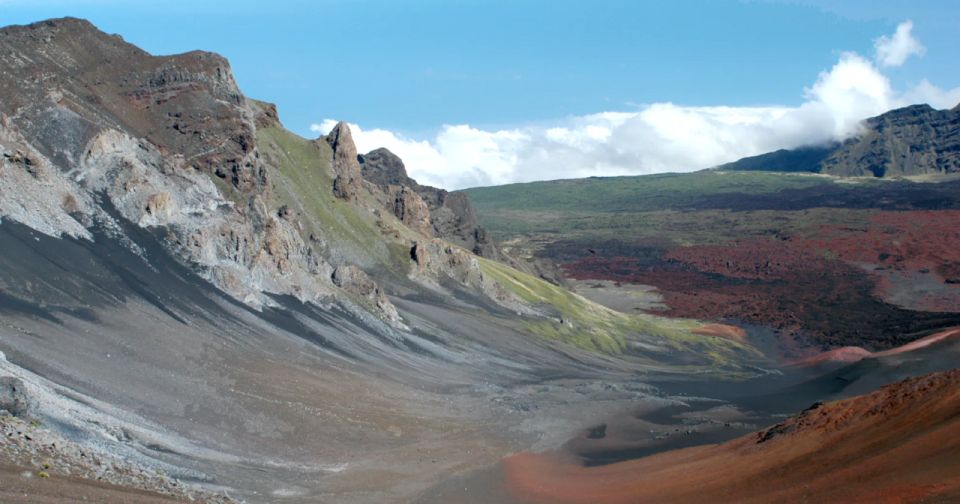
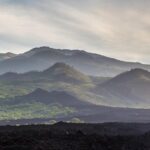
If you’ve only seen Haleakala from overlooks, a crater hike changes the scale fast. You’re not watching the volcano from the outside. You’re moving through it—on terrain that looks almost artificial, with dark lava lines and cinder cone formations that dominate the view.
This tour is also a little smarter than the usual “go hike, take photos” setup. A professional guide leads you through what you’re seeing and why it matters. That cultural and natural context can make the day feel richer, especially if you’re the type who likes to understand the place, not just pass through it.
The day is long enough to feel like a real activity—7 hours is not a quick stroll—but it’s structured as two separate hiking stages. That helps you mentally break the challenge into chunks, instead of treating the entire crater as one endless climb.
And yes, you should plan for the fact that you’re at high elevation for part of the route. Even when conditions look calm, you’ll still want good shoes and warm layers.
You can also read our reviews of more guided tours in Maui


The Two-Stage Walk: 10,000-Foot Summit to 8,000-Foot Lava Trail
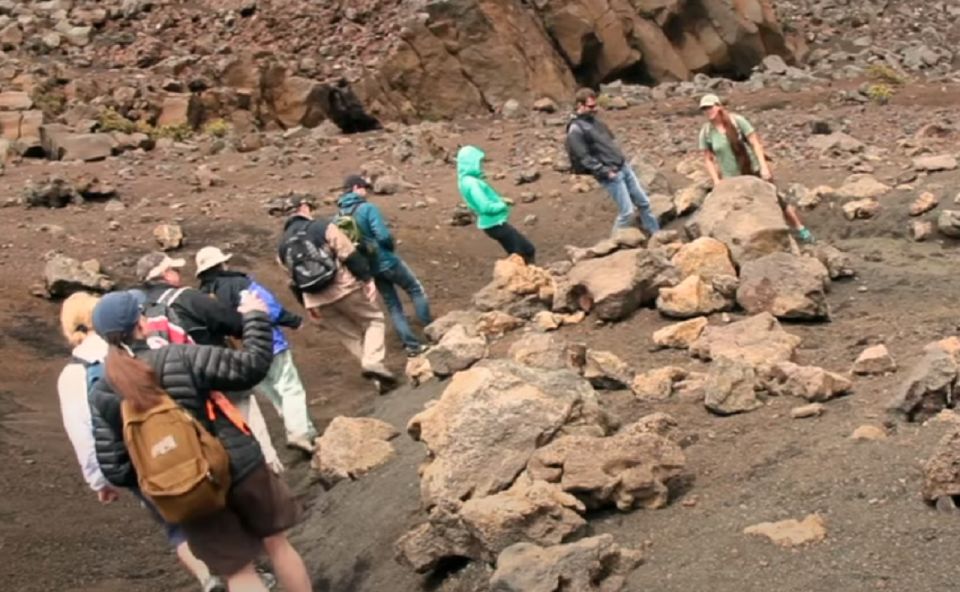
This hike is built around two main segments, each with a distinct feel.
First, you start with a hike of about 2 miles to a summit area near 10,000 feet. This is where the crater’s “alien” look hits hardest: huge cinder cones, wide open expanses, and a view that can feel almost endless. You’ll also learn while you walk—about Maui’s heritage and about rare natural wonders found in this volcanic setting. The higher you go, the more the environment reads as a desert-like volcanic world rather than a tropical one.
After that, you shift to another about-2-mile stretch around 8,000 feet, moving along a lava trail. This part is lined with rare native plant species, which changes the focus from pure geological drama to a more delicate, living side of the crater. If you like paying attention to small details, this is often the moment where the walk feels more personal.
What to consider: both stages happen on uneven surfaces. One of the clearest cautions from experience is that this can be difficult if you’re not athletic or if you’re dealing with health issues that make slippery, rocky ground harder. If you’re nervous about footwork, you’ll want to go slow and trust your guide’s pace.
What Your Guide Actually Does at High Altitude
A strong guide can make or break a crater hike, and the feedback on this one is consistently about guidance and safety. One traveler specifically called out that the guide made sure everyone had what they needed, while another praised how the guide kept watch over safety and adjusted to participants’ limitations.
Guide names do matter here. George was singled out for being great, and that kind of personal, attentive approach is exactly what you want at altitude. When you’re walking on rocky terrain where footing matters, you want someone who’s not just leading the route, but actively managing the pace and the group.
You’ll also get more out of the hike if you treat the guide’s talk as part of the walking plan, not a bonus. Learning about Maui heritage and the natural features around the crater gives you something to focus on besides the effort of climbing. That can help you stay steady when the terrain gets mentally demanding.
Finally, the tour’s safety posture shows up in the guide certification details. Advanced CPR and first aid training are listed, along with wilderness training and the ability to hike in the National Park. Even if you’re in good shape, it’s reassuring to know you’re not just dealing with a “nature walk” mindset.
Lunch in the Crater: Picnic Food That Keeps the Day Honest
The best crater hikes solve a simple problem: how do you fuel a long, high-elevation effort without turning it into a complicated meal plan? This one keeps it straightforward.
You’ll have complimentary snacks and a picnic lunch. You’ll also get bottled water. That means you don’t have to guess how much you need or stop mid-hike to buy supplies. For a day that’s already 7 hours, removing that decision-making can make the whole experience feel smoother.
A practical note from real-world conditions: one traveler found it sunny and gorgeous and not as cold as expected. That’s encouraging, but it doesn’t replace warm layers. At 10,000 feet, temperature can change, and wind or clouds can shift quickly. If you’re bringing layers, you’ll be more comfortable during lunch and easier on your body during the second hike.
Also, note the pacing effect. When lunch is included and built into the plan, you can focus on the hike instead of counting minutes until a meal. That usually leads to better energy distribution—so you don’t burn out early and then struggle later.
Gear and Clothing: What to Bring for Rocky, Cool-Feeling Ground
The tour provides some helpful basics, but you still need to show up ready.
What’s included:
- Bottled water
- Snacks
- Picnic lunch
- Backpacks
- Ponchos
What you should bring:
- Warm clothing
- Sports shoes
This is not the kind of hike where flip-flops or fashion sneakers work. Sports shoes with solid grip matter because you’ll be on rocky and uneven surfaces. If your shoes are worn smooth or your soles are too flexible, you may feel the ground more than you want to.
Also, warm clothing doesn’t mean bulky winter gear. It means layers you can adjust as the day moves between sun and shade, between wind and calm pockets. The crater can feel cool even when it looks bright from afar, and a comfortable body makes the hike feel easier.
Ponchos being provided is useful if you get light rain or mist. Still, don’t assume you’ll stay dry or warm. Bring layers and count on changing conditions rather than perfect weather.
You can also read our reviews of more tours and experiences in Maui


Price and Value: Is $208 Worth a 7-Hour Crater Day?
At $208 per person for about 7 hours, this sits in the “not cheap, but fair if it fits you” category.
Here’s why the value can work:
- You’re paying for a guided hike at high elevation, not just access to a trail.
- The tour includes bottled water, snacks, and a picnic lunch—so you’re not adding meal costs.
- Backpacks and ponchos are included, which reduces what you have to pack.
- A live guide with CPR/first aid and wilderness training adds real safety value on rough terrain.
The tradeoff is that your cost doesn’t include hotel pickup and drop-off. That means you’ll need your own way to get to the meeting point (more on that next). If you’re staying somewhere far from the departure zone, factor in time and transportation cost so the $208 doesn’t turn into a surprise day-long bill.
Also check the group-size note: for parties of 10 or more, a gratuity of $250 will be collected before the trip. If you’re booking as part of a larger group, know that this can affect the final total.
Bottom line: if you want the crater experience with context, included food, and trained guidance, $208 can feel like a solid deal. If you’re comfortable packing your own water, hiking independently, and navigating cold mornings, you might prefer a cheaper self-guided option. But for many people, guided safety plus included meals is the difference between a stressful day and a memorable one.
Meeting Point at Highways 311 and 380: Simple, but Watch the Details
This tour does not include hotel pickup and drop-off, so you’ll need to handle your own transport to the start.
Meeting point:
- At the intersection of highways 311 and 380
- In front of a large concrete wall with a single row of parking facing Hwy 380 west of Hwy 311, just before entering Kahului
That description is specific. Use it. If you arrive thinking you can just “figure it out,” you may lose time. Give yourself buffer time so you can check in, get prepared, and start with a calm head.
If you’re renting a car, this is fairly workable. If you’re relying on rides and you’re short on planning time, the lack of pickup can be the biggest inconvenience. On the plus side, meeting directly at a clearly defined roadside spot can also make it easier for people who don’t want to wait on hotel shuttles.
Who Should Book This Haleakala Guided Hike (and Who Should Skip It)
This experience is a strong match if you:
- Like guided learning while you hike
- Want included snacks and a real picnic lunch
- Feel comfortable hiking on uneven terrain
- Are prepared for altitude and cooler conditions with warm clothing
It’s also a great choice if you value safety attention. The feedback points to guides watching participants’ needs and adjusting with consideration. One traveler noted that the experience was very enjoyable even with attention to safety, which is the right combination for a strenuous environment.
But it’s not a fit for everyone. It’s listed as not suitable for:
- Children under 8
- People with mobility impairments
And one important reality check: this route can be difficult if you’re older or if you have health issues that affect your ability to handle slippery, rocky surfaces. That doesn’t mean you’re automatically out—but it does mean you should think honestly about your comfort on uneven ground for several hours.
If you’re unsure, treat this as a “fit test.” If you can’t comfortably manage rocky steps on a trail at home, plan for a harder day than you might expect here.
Should You Book This Haleakala Guided Hike?
I’d book this if you want a guided, structured crater hike that combines volcanic scenery with Maui heritage and includes the practical stuff—water, snacks, and a picnic lunch—so you can focus on the hike.
Skip it or reconsider if you have mobility challenges, are traveling with a child under 8, or you’re worried about steady footing on rocky, slippery surfaces. Also, if you hate dealing with transportation planning, the lack of hotel pickup may annoy you enough to lower the overall value.
If you’re able-bodied, motivated, and you want a real high-elevation experience with a guide who takes safety seriously (and even named for being great), this is one of the more satisfying ways to see Haleakala up close.
FAQ
How long is the Haleakala guided hike?
It lasts about 7 hours.
What is included with the tour price?
You get bottled water, snacks, a picnic lunch, backpacks, and ponchos.
Is hotel pickup and drop-off included?
No. Hotel pickup and drop-off are not included.
Where do I meet the group?
Meet at the intersection of highways 311 and 380, in front of a large concrete wall with a single row of parking facing Hwy 380 west of Hwy 311 just before entering Kahului.
What should I bring?
Bring warm clothing and sports shoes.
Are ponchos provided?
Yes, ponchos are included.
Is this tour okay for children?
It is not suitable for children under 8.
Is the hike suitable for people with mobility impairments?
No, it is not suitable for people with mobility impairments.
Will the tour run in bad weather?
Tours run in most weather conditions, but they may be altered if safety issues arise.
How much does the tour cost?
The price is $208 per person.